

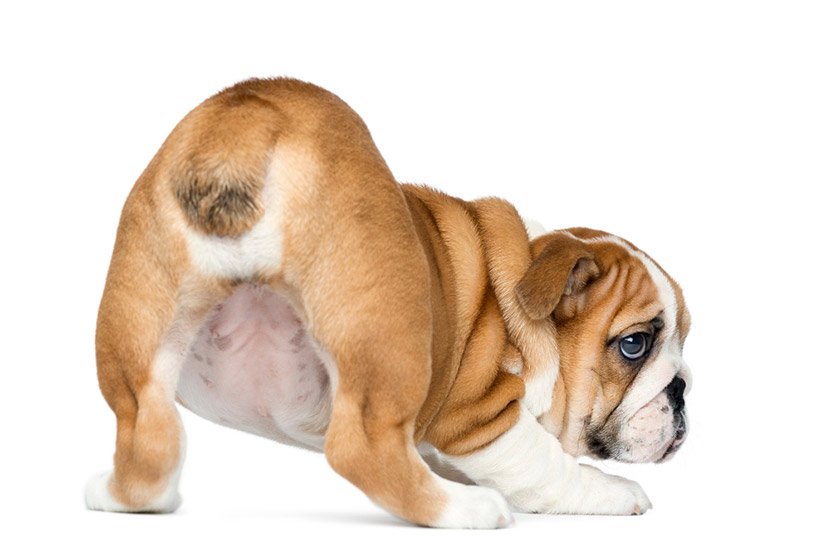
The Scoop on Scooting: Understanding Anal Gland Issues in Pets
Have you ever caught your dog scooting their bottom across the carpet or noticed your cat fixated on licking their rear end? It might look funny at first, but these behaviors can signal something more serious—anal gland trouble.
Let’s unpack what these glands do, why they sometimes cause problems, and what you can do to help your pet feel better.
What Are Anal Glands?
Anal glands (or anal sacs) are two tiny glands located on either side of your pet’s anus. These scent glands release a strong-smelling fluid when your pet poops—a biological calling card that plays a role in territory marking and communication.
Usually, these glands empty naturally. But when they don’t, they can become blocked, swollen, or even infected—causing irritation and discomfort.
Signs Your Pet Might Be Having Issues
Some of the most common symptoms include:
- Scooting or dragging their bottom on the ground
- Licking or biting around the rear end
- Swelling or redness near the anus
- A strong, fishy odor
- Pain or straining when trying to go to the bathroom
These signs usually mean your pet’s anal glands aren’t draining properly and may need attention.
Do All Pets Need Their Glands Expressed?
Not necessarily. Some pets go their whole lives without any issues. Others—especially small-breed dogs—may need their glands manually expressed every few weeks.
This quick and simple procedure is best done by a veterinarian or trained groomer. If the glands are infected or abscessed, additional treatment such as antibiotics or anti-inflammatory medication may be needed.
Helping Prevent Anal Gland Problems
You can take a few proactive steps to reduce the risk of anal gland issues in your dog or cat:
- Fiber is your friend. Adding fiber to your pet’s diet (with canned pumpkin, fiber supplements, or vet-approved food) can help produce firmer stools that naturally express the glands.
- Keep your pet at a healthy weight. Excess weight can interfere with normal gland function.
- Stick to routine vet visits. Regular checkups help catch early signs of gland trouble, allergies, or even spinal issues that can impact your pet’s ability to express the glands normally.
Are Certain Breeds More at Risk?
Yes. While any dog can develop anal gland problems, smaller breeds are more prone. Some commonly affected breeds include:
- Chihuahuas
- Dachshunds
- Poodles
- Cocker Spaniels
If you have one of these breeds, your vet might recommend more frequent checks or maintenance.
When Anal Gland Problems Become Chronic
If your pet repeatedly suffers from blocked or infected glands, your vet might discuss anal gland removal surgery. This procedure is typically reserved for chronic cases where all other treatments have failed.
Common contributors to recurring problems include:
- Allergies
- Genetics
- Poor diet
- Back pain that affects how your pet postures during bowel movements
Do Cats Get Anal Gland Issues?
Yes, though less frequently than dogs. Overweight or sedentary cats are more likely to develop issues due to less frequent natural expression of the glands. Signs are similar—excessive licking, odor, or swelling—and treatment usually starts with dietary changes. In rare cases, surgery may be considered.
Final Thoughts
Anal gland issues aren’t the most glamorous part of pet care—but they’re a common reason pets visit the vet. The good news? With the right care and attention, they’re manageable. If you notice your dog scooting or your cat seems uncomfortable, don’t wait. A quick vet check can make a big difference in your pet’s comfort and overall health.
Dr. Logan Hille, DVM

Dr. Logan Hille was born in 1991 in Southern California and moved to Arizona in 1995. He graduated from the University of Arizona in 2013 with a degree in veterinary sciences and attended Colorado State University for veterinary school. After graduating in 2018, Dr. Hille moved to Dallas, Texas where he lived for 8 months. Knowing Texas was not the place for him, Dr. Hille moved back to Arizona in 2019 to be closer to his friends and family. He has two dogs, Rory and Lincoln, who he loves dearly. In his off time, Dr. Hille likes golfing, relaxing with friends, and playing video games.
Dr. Hille has a special interest in Oncology and advanced Valley Fever.